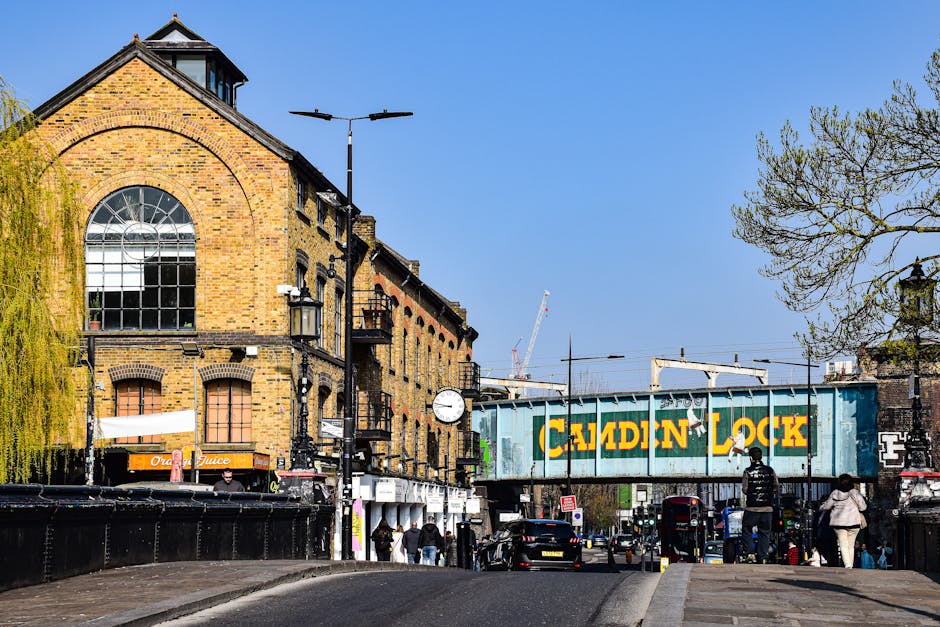
What to know about Camden Council rules for rubbish in Hampstead
If you live, work, or clear a property in Hampstead, rubbish rules can feel oddly specific at the worst possible moment. One minute you are sorting a tired sofa, a broken fridge, or a stack of black bags; the next you are wondering whether the item can go out, needs booking, or must be handled separately. What to know about Camden Council rules for rubbish in Hampstead is really about avoiding those awkward mistakes, keeping the street tidy, and making sure waste leaves the property properly.
This guide gives you the practical side of it. You will find out how local rubbish rules tend to work, what usually goes wrong, what to do with bulky items and awkward waste, and when a professional clearance service makes life easier. To be fair, rubbish is not exciting. But getting it right saves time, avoids hassle, and keeps your household or business on the right side of local expectations.
Table of Contents
- Why Camden Council rubbish rules matter in Hampstead
- How rubbish collection and disposal usually works
- Key benefits and practical advantages
- Who this is for and when it makes sense
- Step-by-step guidance
- Expert tips for better results
- Common mistakes to avoid
- Tools, resources and recommendations
- Law, compliance, standards, and best practice
- Options and comparison table
- Case study or real-world example
- Practical checklist
- Conclusion
- Frequently asked questions
Why Camden Council rubbish rules matter in Hampstead
Hampstead sits within a busy part of north London, where space is tight, pavements are busy, and waste can become a nuisance very quickly if it is left out badly. That is why the rules around refuse, recycling, bulky waste, and private clearance matter so much. A bag left in the wrong place or an item dumped beside a bin can attract pests, look unsightly, and cause problems for neighbours who are already dealing with limited storage and shared collection areas.
It also matters because Camden-style rules are not just about tidiness. They connect to environmental responsibility, safe handling, and the wider expectation that waste should be sorted, stored, and removed properly. In practical terms, if you are planning a flat clearance, a house clearance, or a simple declutter, knowing the basics can prevent delays and extra costs.
There is also a reputational side to this. If you are a landlord, tenant, managing agent, or business owner, rubbish left in the wrong way can turn into complaints very quickly. One overflowing bin bag might seem minor. Three bags, a broken chair, and a fridge on the pavement? That is the kind of scene that gets attention, and not the good kind.
Expert summary: In Hampstead, the safest approach is to treat rubbish as a managed process, not an afterthought. Sort it, store it properly, and choose the right removal route before it becomes a problem.
How Camden Council rubbish rules for Hampstead usually work
The exact details can change, so it is always sensible to check current local guidance before you put anything out. Still, the structure is usually straightforward. Standard household rubbish goes into the appropriate bins or containers, recyclables are separated where required, and larger items need a separate route. Businesses have additional duties, and some waste streams, such as electricals or hazardous waste, are handled differently.
In a place like Hampstead, storage is often part of the challenge. Flats may have shared bin stores, narrow access, or timed collection points. Houses may have limited front garden space or tight pavements. So even when you understand the basic rule, the practical part can still be awkward. That is where timing matters. Put rubbish out too early, and it may sit on the street. Put it out too late, and collections can be missed. Either way, you end up chasing your own tail a bit.
Most people benefit from thinking in categories:
- General household waste: everyday non-recyclable rubbish in the correct container.
- Recycling: clean, separated materials where the local system expects them.
- Bulky waste: furniture, mattresses, white goods, and other large items.
- Trade or construction waste: builders' rubble, timber, fixtures, and debris.
- Special waste: hazardous, confidential, or restricted items.
If you are dealing with a full property clear-out, services like flat clearance or house clearance can be a sensible fit because they handle mixed loads and reduce the number of separate decisions you need to make.
Key benefits and practical advantages
Following the rules properly is not just about avoiding trouble. It makes day-to-day life simpler. When waste is handled well, you get cleaner shared spaces, fewer complaints, and less time wasted moving items around several times before they finally leave the property.
Here are the main advantages people notice:
- Cleaner streets and entrances: no loose bags, no cluttered doorways, no nasty surprises for neighbours.
- Fewer missed collections: rubbish is presented correctly and at the right time.
- Lower risk of fines or enforcement action: especially where items are dumped or left in prohibited ways.
- Better recycling outcomes: more material is separated and recovered properly.
- Less stress during moves or refurbishments: one less thing to juggle when the day is already busy.
There is a quieter benefit too. You feel more in control. Anyone who has tried clearing out a loft or garage on a damp Sunday morning knows the sound of damp cardboard, the smell of old paint tins, and the slow realisation that it is all taking longer than expected. A proper plan avoids that chaos.
For mixed household items, home clearance can be helpful, while heavier furniture can often be handled through furniture disposal or furniture clearance when the pieces are no longer usable.
Who this is for and when it makes sense
This topic matters to more people than you might think. Hampstead households, landlords, tenants, estate managers, letting agents, and local businesses all run into rubbish issues in slightly different ways.
You are likely to need this guidance if you are:
- moving out of a flat and need to leave it clear
- tidying a house after a renovation or room refit
- disposing of furniture that will not fit in standard bins
- managing a rental property between tenancies
- clearing a loft, garage, shed, or storage area
- running an office or shop that has accumulated waste
- dealing with appliances, mattresses, or other awkward items
It also makes sense when you are just trying to avoid a bad decision. For example, if you have a broken freezer sitting in the hallway, you probably do not want to guess whether it can go out with ordinary rubbish. That is the sort of item that deserves a proper route, not a hopeful nudge towards the pavement.
Businesses should be especially careful. Commercial waste should be handled under a proper arrangement rather than treated like household rubbish. If that sounds like your situation, business waste removal is the more suitable route for regular commercial needs, while office clearance can help when premises need a fuller reset.
Step-by-step guidance
If you want the simplest way to stay on the right side of Camden Council rubbish rules in Hampstead, follow a calm, methodical process. No need to overcomplicate it.
- Identify the waste type. Separate general rubbish, recyclables, bulky items, electricals, and anything potentially hazardous.
- Check storage and collection requirements. Shared bin areas, permit needs, and collection times can all affect what you do next.
- Reduce what you can. Reusable furniture, working appliances, and unopened items may be better donated or repurposed where appropriate.
- Bundle and contain waste properly. Use secure bags or containers; keep materials dry and stable so they do not spill.
- Choose the right disposal route. Standard bins, council-style collections, private clearance, skip options, or specialist disposal each suit different loads.
- Schedule removal with access in mind. In Hampstead, stairs, tight front steps, and busy roads can affect timing.
- Keep records where needed. Businesses, landlords, and builders often need proof of lawful disposal or arranged collection.
A very ordinary example: a couple clears a spare room and finds an old wardrobe, a few bagged bits of clutter, and a mattress. The bags can be sorted, but the wardrobe and mattress should not be treated like regular kitchen rubbish. A mixed approach is usually best, and if you do not want to wrestle with it yourself, mattress and sofa disposal can be a practical solution for awkward soft furnishings.
If the clear-out involves a loft packed with inherited items, loft clearance is often a more realistic option than trying to piece the job together item by item.
Expert tips for better results
Over the years, one thing becomes obvious: the best rubbish jobs are the boring ones. The people who sort early, label clearly, and plan the access usually have the easiest day.
Here are a few practical tips that genuinely help:
- Sort before moving anything downstairs. That saves time and reduces double handling.
- Keep wet and dry waste apart. Once food waste or rain gets into cardboard, recycling gets harder.
- Photograph bulky items. It helps when getting a quote or discussing access.
- Leave room for safe lifting. Stairs, landings, and narrow halls need clear paths.
- Do not mix unknown waste with normal rubbish. If you are unsure, stop and check first.
- Think about the finish, not just the removal. A clean property is easier to hand back, sell, or relist.
One small but useful habit: put a single note or bag tag on items that must not be reused or repacked. It sounds minor, but in a busy clearance, it prevents the classic "wait, which one was the broken one?" moment. We have all had those.
If you are dealing with outdoor areas too, garden clearance may be relevant for green waste, soil, and garden clutter, while garage clearance is handy when the garage has become a storage cave for everything except the car.
Common mistakes to avoid
Most rubbish problems in Hampstead happen because people are rushed. That is understandable. Still, a few mistakes come up again and again.
- Leaving bags beside overflowing bins: this often becomes litter, attracts vermin, and creates a shared mess.
- Assuming large items can go out like household waste: that is where mattresses, fridges, and furniture get tricky.
- Mixing hazardous items with general waste: paints, solvents, batteries, and similar materials need special handling.
- Using the wrong disposal route for business waste: commercial waste needs a proper arrangement.
- Forgetting access constraints: a perfectly good collection plan can fail if the vehicle cannot get near the property.
- Delaying too long before booking: especially before a move, tenancy handover, or renovation deadline.
A surprisingly common one is overconfidence. Someone thinks, "It is only a couple of bits," and suddenly the hallway is full, the lift is too small, and the furniture is already halfway out the door. That is usually when people decide they should have planned first. Sensible, really.
For items with special handling needs, fridge and appliance removal is worth considering, while hazardous waste disposal is the safer route for anything potentially dangerous or restricted.
Tools, resources and recommendations
You do not need a lot of kit, but a few practical tools make rubbish sorting much easier.
- Sturdy bags or boxes: for separating rubbish by type.
- Labels or marker pens: useful for sorting mixed loads or items to keep, donate, or remove.
- Basic gloves: especially for lofts, garages, and old storage areas.
- A tape measure: handy for checking whether furniture, fridges, or bulky items can fit through access points.
- Phone camera: ideal for documenting items before booking clearance or disposal.
For service planning, it is often helpful to compare the scale of the job with the right clearance type. A single bulky item is different from a full property reset. If you are clearing an office, confidential paper waste or records may need careful handling through confidential shredding alongside general removal.
For traders and contractors, building debris is a separate issue again. Builders waste clearance is generally the more suitable route when there is rubble, timber, packaging, and renovation waste to move off site. That keeps the site cleaner and avoids mixing material types that should not be bundled together.
If you are planning costs, it can also help to review pricing and quotes before you decide how to handle the work. And if you want to understand how a provider approaches sorting and recovery, take a look at recycling and sustainability.
Law, compliance, standards, and best practice
Waste handling in the UK sits within a wider legal and environmental framework. The exact obligations depend on what type of waste you have, who generated it, and whether it is household, commercial, or construction-related. Rather than guessing, the safest approach is to follow current council guidance, keep waste streams separate where needed, and use properly authorised disposal methods.
For most readers, the practical compliance points are simple:
- do not fly-tip or abandon rubbish
- do not put restricted items in the wrong collection stream
- do not mix hazardous waste with normal household rubbish
- keep evidence of disposal where your role requires it
- make sure anyone removing waste is doing so lawfully and responsibly
Best practice also means treating neighbours and shared spaces with respect. In dense parts of Hampstead, a badly timed pile of rubbish can block access and create a nuisance very quickly. So even if something is not technically "illegal" in the narrowest sense, it may still be poor practice. And poor practice tends to come back around.
If you are uncertain whether an item is reusable, recyclable, or should be treated as special waste, it is better to pause than to gamble. A short delay is far easier than correcting a disposal mistake later.
Options and comparison table
Different rubbish situations need different solutions. Here is a simple comparison to make the choices clearer.
| Option | Best for | Strengths | Watch-outs |
|---|---|---|---|
| Standard household bins | Everyday general waste | Simple, familiar, low effort | Not suitable for bulky, hazardous, or oversized items |
| Council-style bulky waste collection | Single large items or limited loads | Convenient for straightforward bulky disposal | May have booking rules, item limits, or access constraints |
| Professional flat or house clearance | Mixed household loads, moves, or downsizing | Handles more items in one visit | Needs planning and clear instructions |
| Specialist appliance disposal | Fridges, freezers, and white goods | Safer handling of electrical and refrigerant-containing items | Not all appliances can be treated the same way |
| Builders waste clearance | Renovation and construction debris | Suited to heavy, dusty, mixed trade waste | Should not be mixed with household rubbish |
The "best" option depends on volume, item type, access, and timing. If you are standing in a hallway surrounded by furniture, bags, and one very stubborn desk chair, the neatest solution is rarely the most complicated one.
Case study or real-world example
A Hampstead resident recently faced the kind of clear-out that starts small and gets bigger by the hour. They had planned to remove a few bags from a spare room, but once the cupboard doors were opened, the job turned into a mix of old furniture, broken storage boxes, a mattress, and a couple of appliances that no longer worked. The building had narrow access and a shared entrance, so leaving everything out over several days was not an attractive option.
The solution was straightforward: sort the items by type, keep general waste separated, set aside the appliances for specialist handling, and book a collection that could clear the lot in one organised visit. The result was calmer, quicker, and far less disruptive to neighbours. A bit of planning made a messy situation feel manageable again.
That is the real lesson here. Most rubbish problems are not hard in a technical sense. They are hard because life is busy. If you break the job into sensible categories and choose the right route, the whole thing becomes much easier.
Practical checklist
Use this simple checklist before you put rubbish out or arrange a collection:
- Have I identified the waste type correctly?
- Are any items bulky, electrical, sharp, or hazardous?
- Do I know whether the items can go in standard bins?
- Have I checked access for removal or collection?
- Are bags sealed and items stable enough to move safely?
- Have I separated anything reusable or recyclable?
- Do I need a specialist service for furniture, appliances, or mixed waste?
- Am I leaving anything on the pavement or in a shared area too early?
- Do I have any records or photos I may need later?
- Is the final disposal route lawful, practical, and proportionate to the job?
If you can tick most of those off, you are already ahead of the usual last-minute scramble.
Conclusion
What to know about Camden Council rules for rubbish in Hampstead comes down to a simple idea: waste is easiest to handle when you plan it before it becomes a pile. Separate the waste, respect the collection rules, use the right route for bulky or specialist items, and think carefully about access and timing. That is how you keep things tidy, avoid needless stress, and stay on the sensible side of local expectations.
For homes, flats, landlords, and businesses alike, the same principle applies. The cleaner and more organised the waste process, the less likely it is to turn into a bigger problem later. Truth be told, that is usually what people want most: a clear space, a clear plan, and no lingering mess behind them.
If you are dealing with a one-off clearance or a more complicated property job, the next step is usually to compare your options early rather than waiting until the bins are overflowing. A few minutes of preparation can save a lot of lifting, guessing, and awkward back-and-forth.
Get a free quote today and see how much you can save.
Frequently Asked Questions
Can I leave rubbish beside the bins in Hampstead if they are full?
Usually, no. Leaving bags or loose waste beside full bins can create litter, attract pests, and cause complaints. If the containers are full, it is better to wait for the next collection or arrange another disposal route.
What should I do with bulky waste like a sofa or wardrobe?
Bulky items normally need a separate route rather than ordinary household bins. Depending on the item and the amount involved, you may use bulky waste collection or a clearance service such as furniture disposal.
Can I put a broken fridge out with normal rubbish?
No, not as a general rule. Fridges and similar appliances often need specialist handling because of their size and components. Appliance-specific removal is the safer and more practical approach.
How do I know if something counts as hazardous waste?
If an item contains chemicals, oils, solvents, sharp contamination, or other risky materials, treat it cautiously. When in doubt, do not mix it with regular waste. Hazardous waste disposal is the more appropriate route.
What is the difference between household and business waste?
Household waste comes from normal domestic living. Business waste is generated by a commercial activity, such as an office, shop, or trade premises. The disposal rules and arrangements are often different, so businesses should not assume household collection rules apply.
Do I need a skip for a home clear-out?
Not always. A skip can suit some projects, but many people in Hampstead find a direct clearance service easier, especially where access is tight or the waste is mixed. It depends on volume, item type, and space available.
What should I do with a mattress or sofa I no longer want?
Mattresses and sofas are awkward to store and move, so they are often best handled through a dedicated disposal service. That saves a lot of struggle, especially in flats or buildings with narrow stairs.
Can builders' rubble go in the same load as household rubbish?
It is better not to mix them. Builders' waste is heavier, dustier, and usually handled differently from domestic waste. Builders waste clearance is the more suitable option for renovation debris.
How can I avoid issues with shared bin areas in a block of flats?
Keep waste bagged properly, avoid overfilling, and do not block access routes. In shared buildings, a little discipline goes a long way. One untidy bag can become everyone's problem by the end of the day.
Is recycling worth the effort for a small amount of waste?
Yes, because small amounts add up quickly. Even a modest separation of cardboard, metal, and reusable items can reduce the amount of waste going to landfill and make the clearance more efficient.
When is a full property clearance the better choice?
If you are dealing with several types of waste, limited time, or awkward access, a full clearance is often easier than doing it piece by piece. It is especially useful during moves, probate clearances, end-of-tenancy work, or post-renovation tidy-ups.
What if I am not sure whether an item can be reused or should be thrown away?
Ask yourself whether it is safe, functional, and clean enough for reuse. If not, it may need disposal. Many people keep items "just in case" for too long, and the result is usually a cluttered cupboard and a mildly annoyed future self.
Where can I learn more about responsible disposal and service options?
You can read more about related topics such as waste removal, recycling and sustainability, and what can go in a skip to help match the right method to the job.